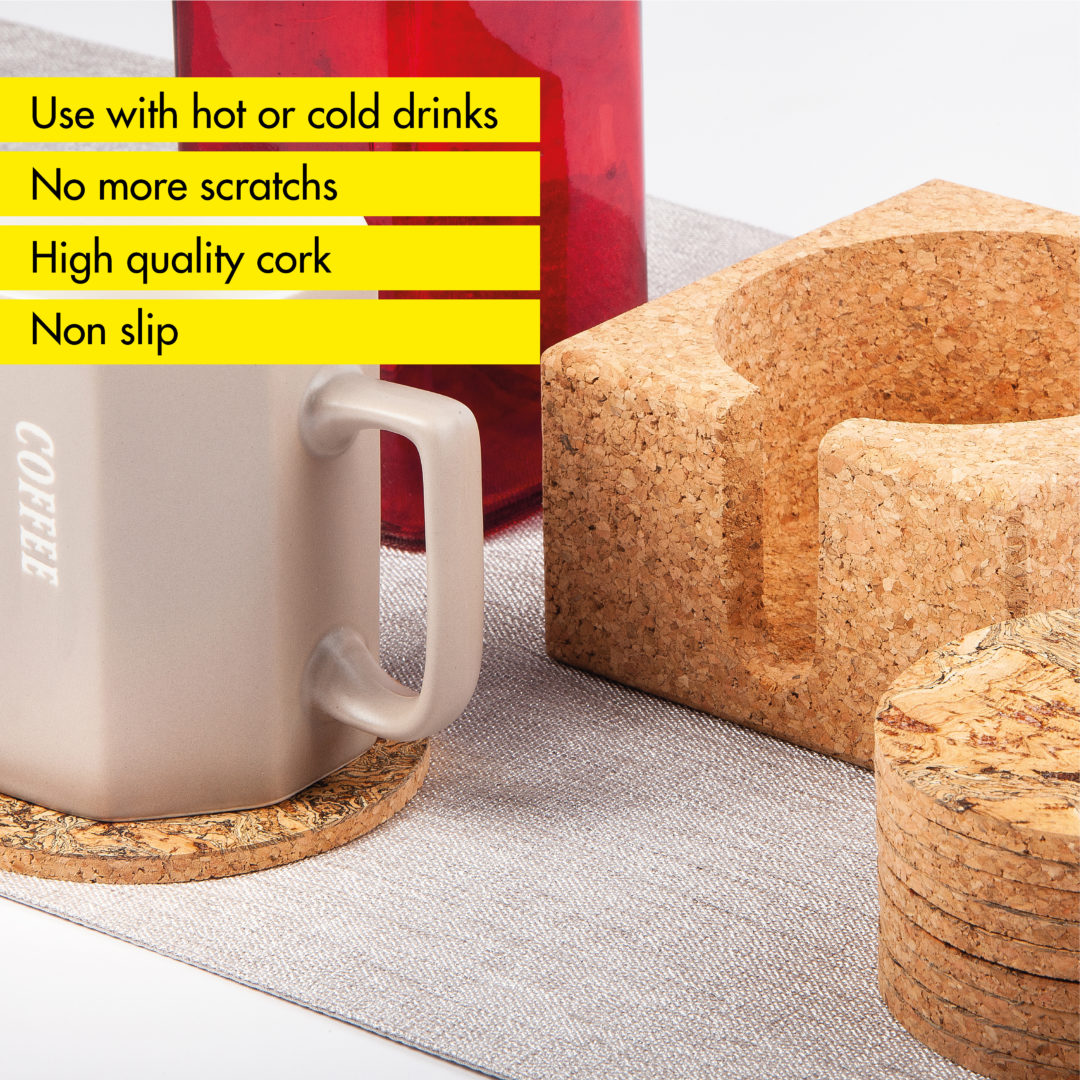
The Coasters set you need to shine in your dinners!

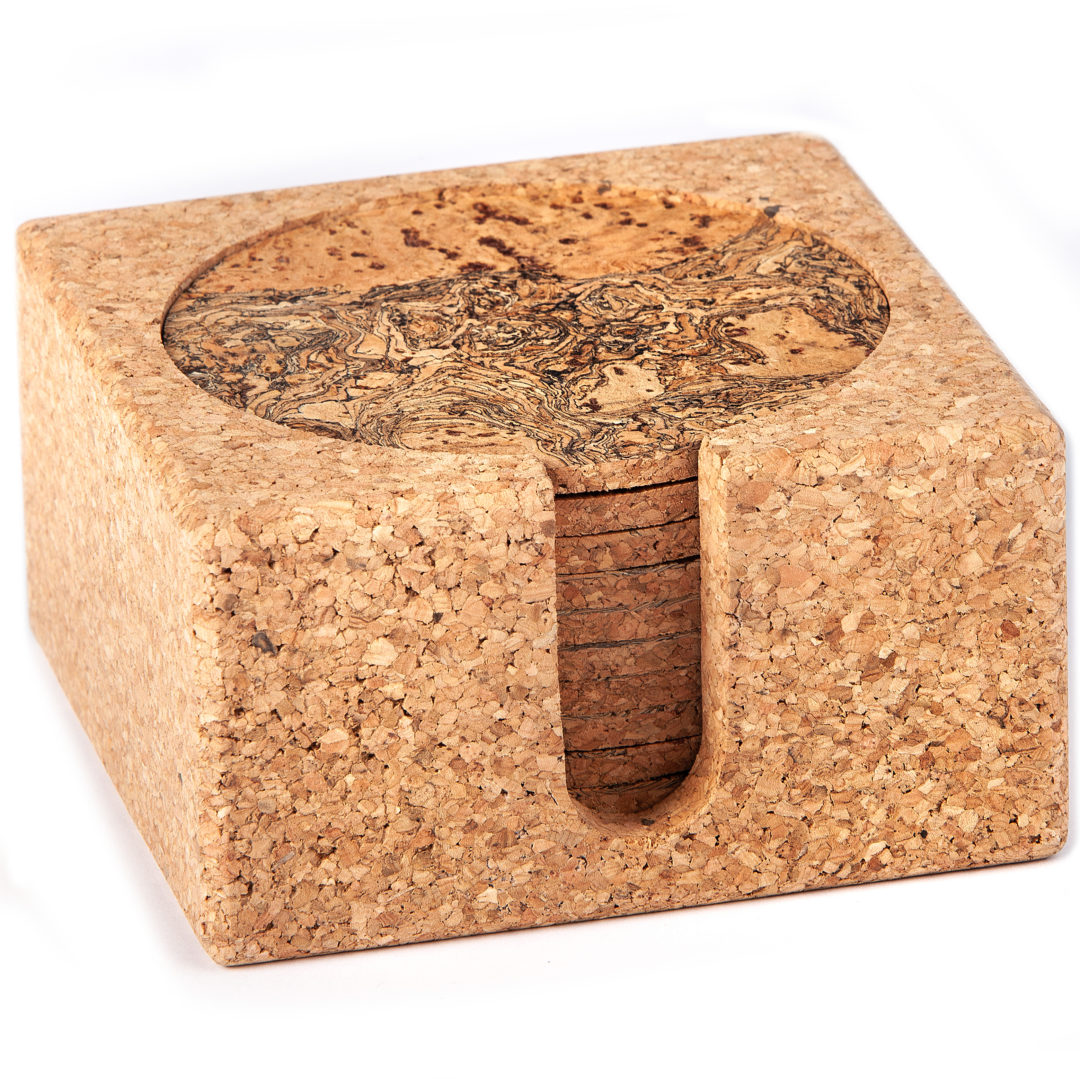
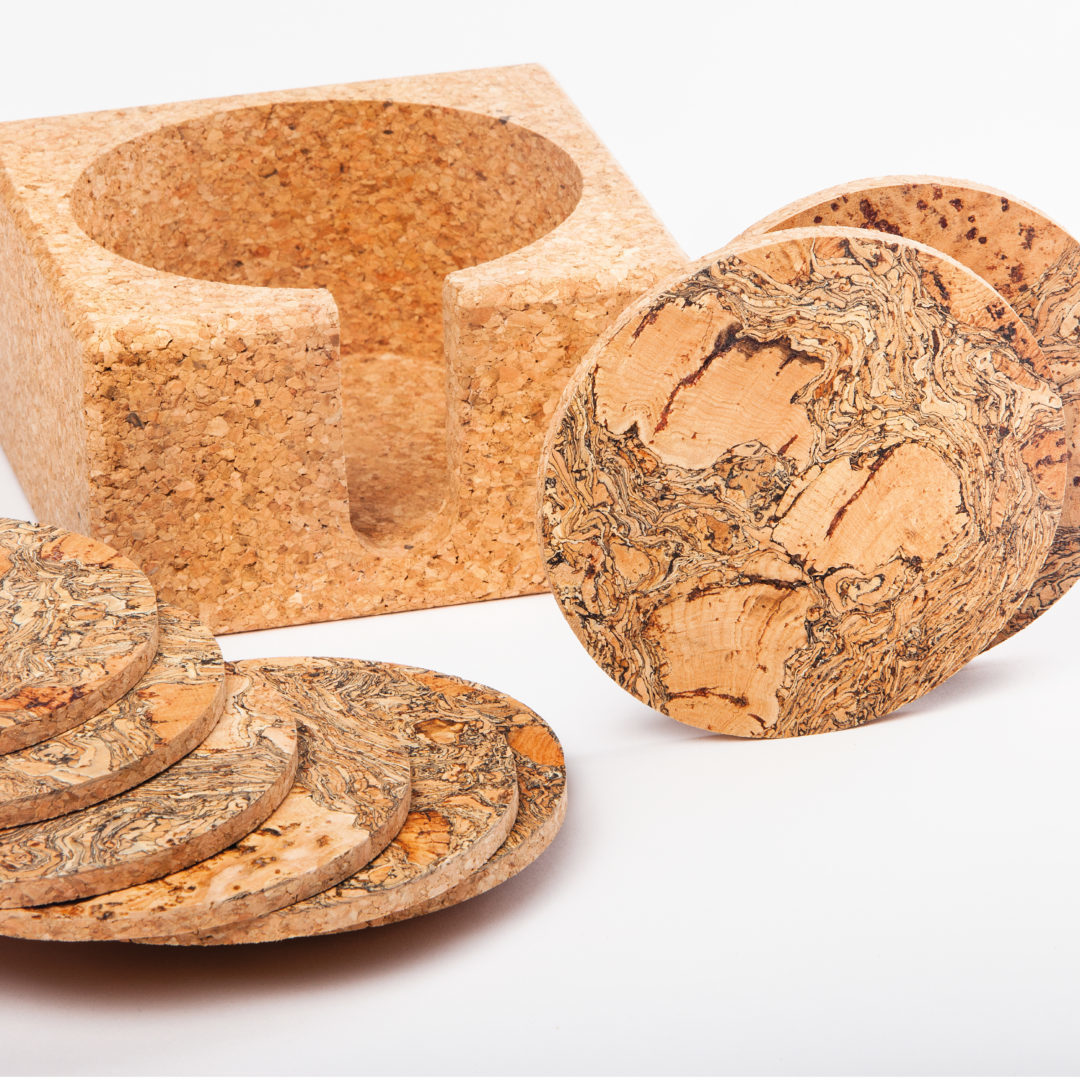
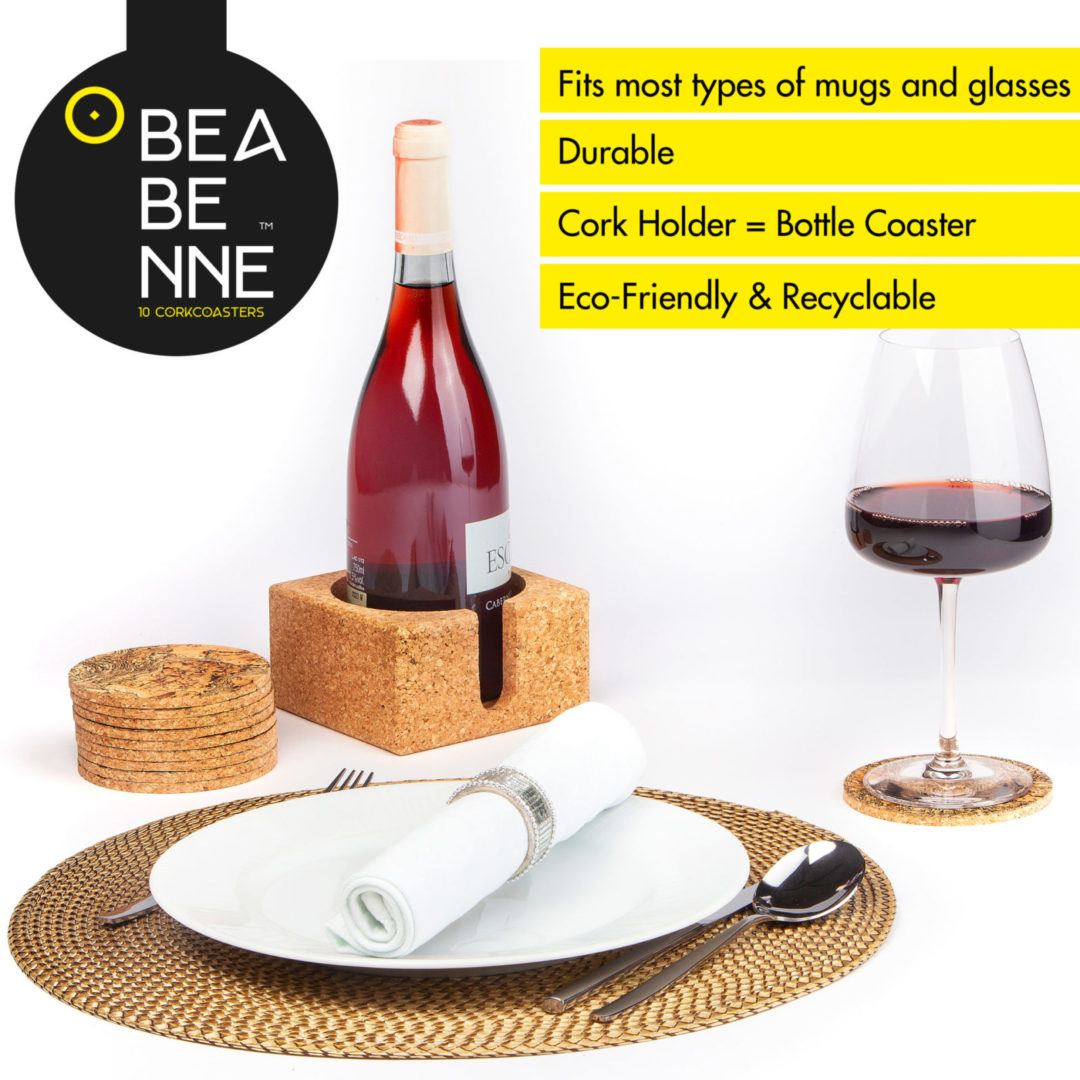
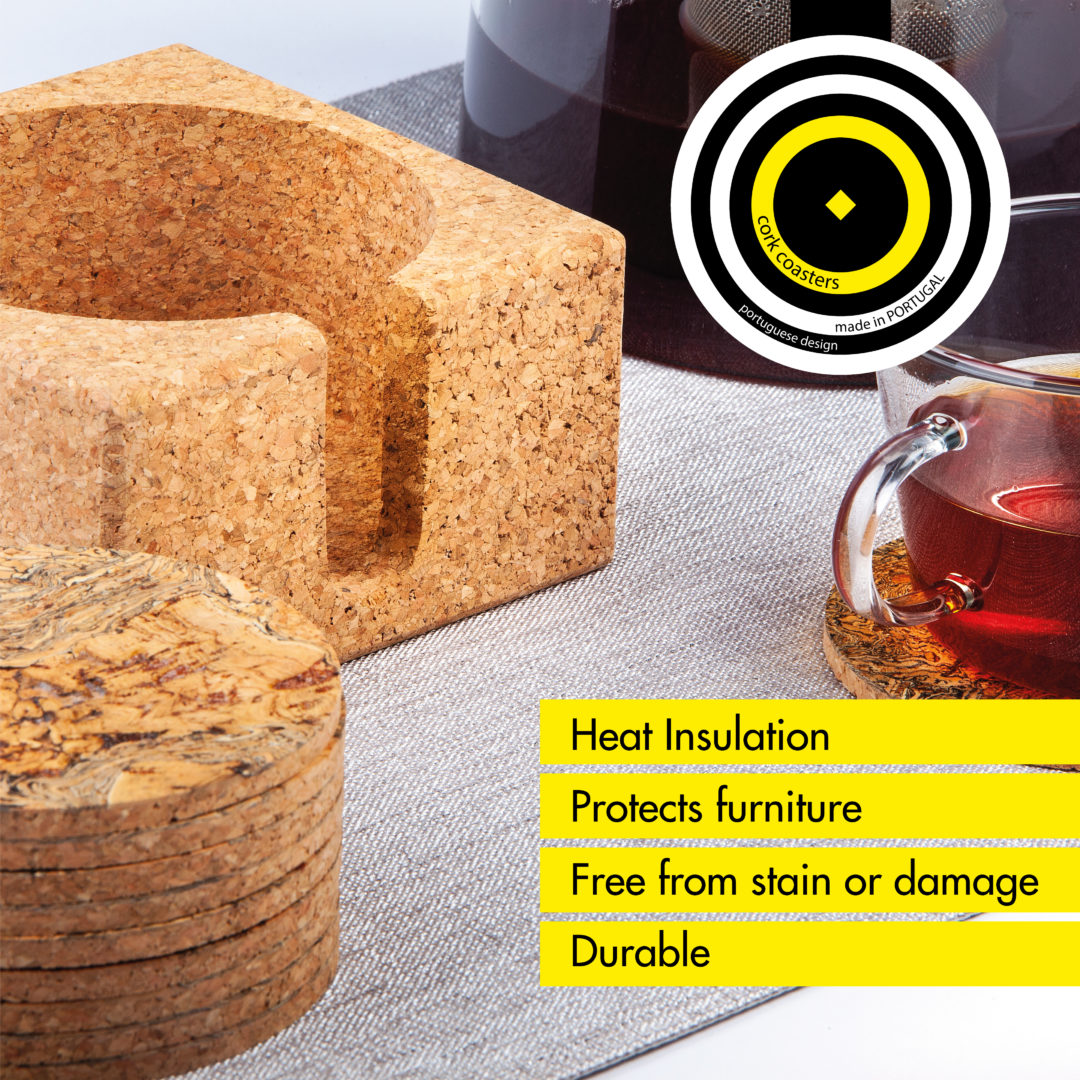
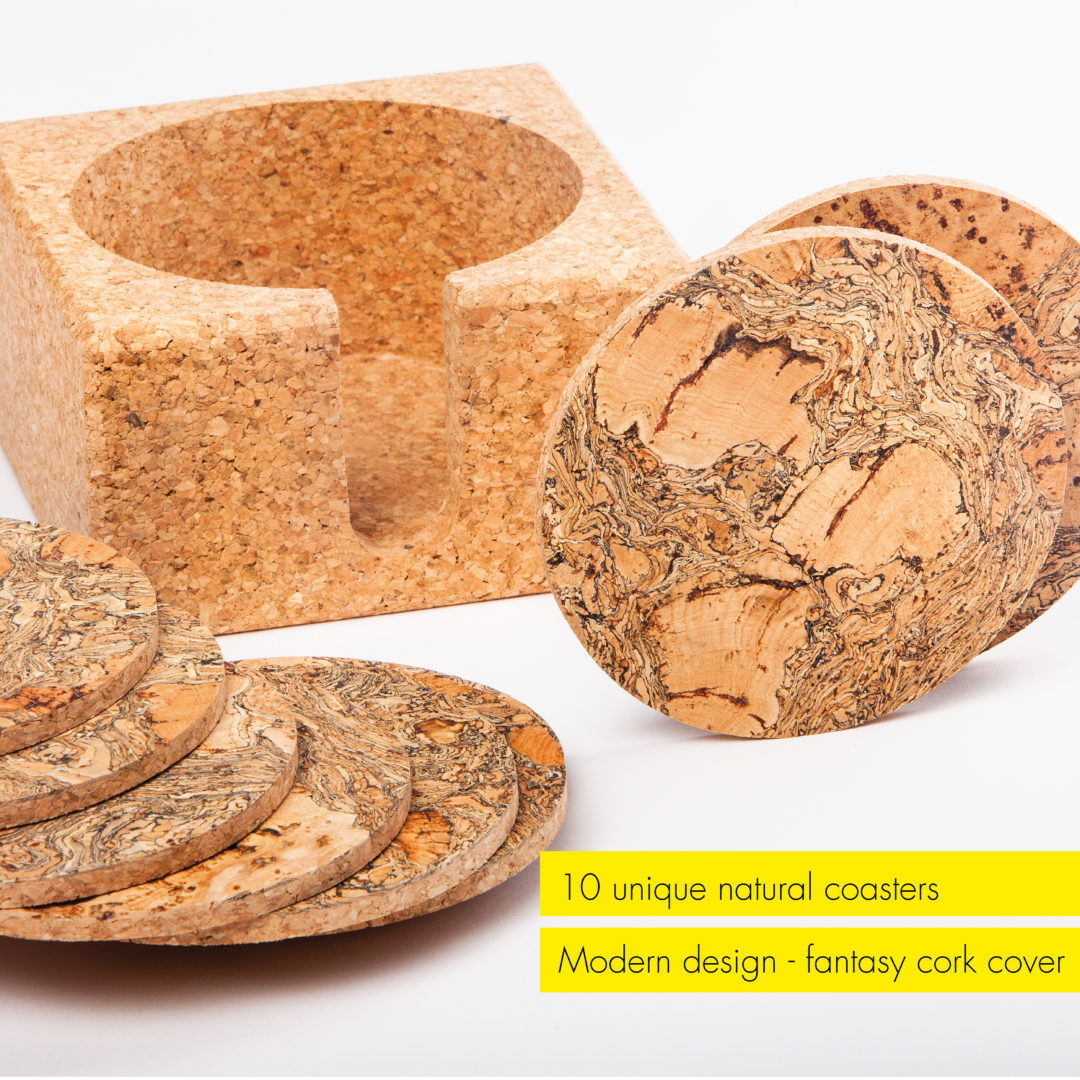
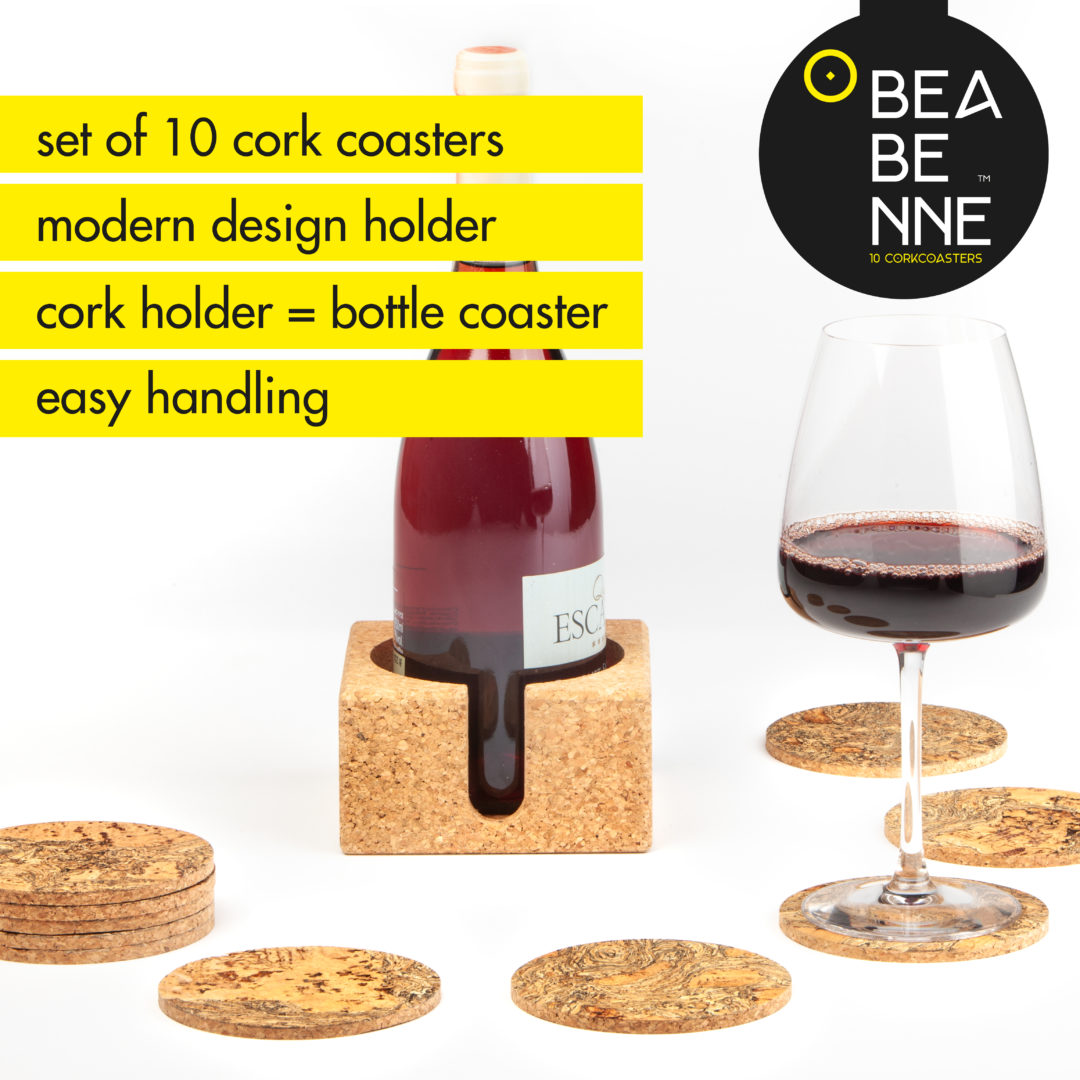
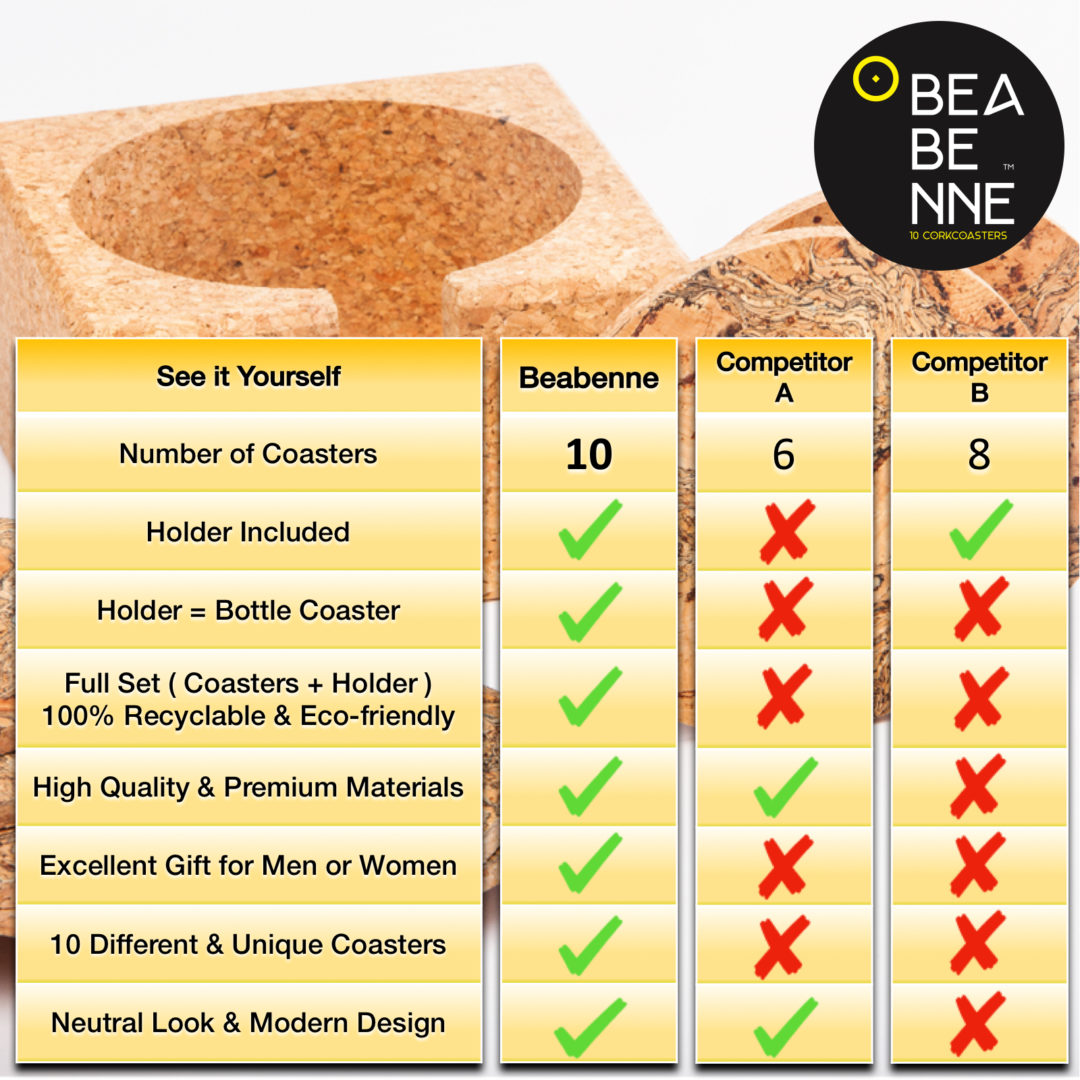
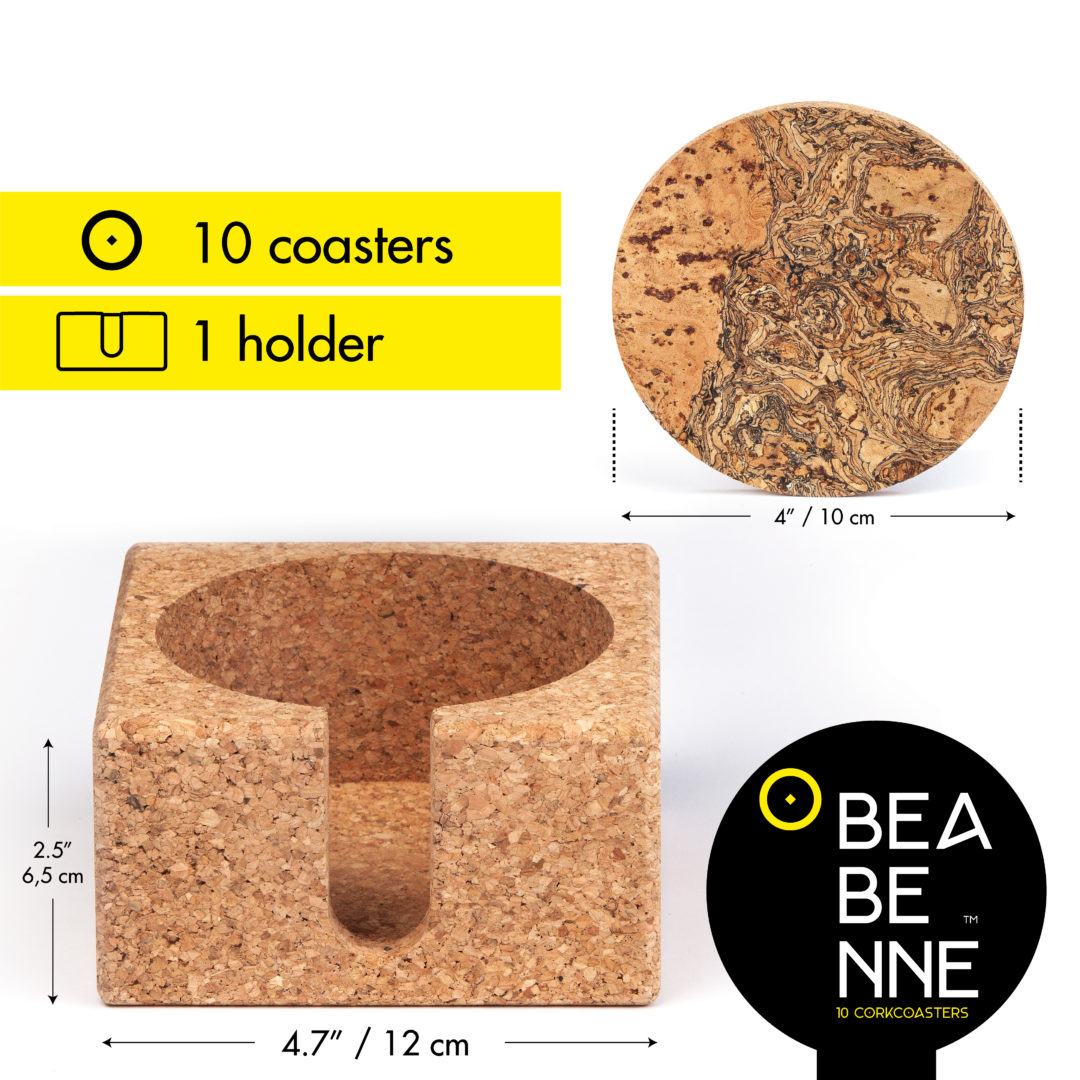
Coasters Set with Holder

photos

reviews

Why Cork?

Natural Cork Tree
THE NATURAL CORK TREE

The CORK OAK TREE (quercus suber), must be approximately 25 years old before the first extraction and then nine years shall be necessary for following harvests. Fortunately, the cork tree lives for 180/200 years! There are examples of cork oak trees that are 400 to 500 years old,
There are about 2,200,000 hectares of cork forest worldwide, with Portugal being the biggest producer with 34% of the worldwide cork forest.
Cork is the bark of the cork oak tree. It is a 100% natural plant with a range of applications associated with its attributes that no technology has yet managed to emulate, match or exceed. It is a 100% natural raw material, that is 100% reusable and 100% recyclable, extracted from cork oaks without harming the normal development of the species and without damaging the tree. The extracted cork is 100% harnessed.

What makes cork so special

Ligthweight Over 50% of its volume is air, which makes it very light and it can float.
It is totally impermeable to liquids - Its resistance to moisture allows it to grow old without deteriorating
Fire retardant - The slow combustion of cork makes it burns without a flame and does not emit toxic gases during combustion.
Cork is also hypoallergenic, insulation, resistance to wear.

cork-oak-420084_1920 - copy - copy
A PROUD HISTORY

Natural Cork has a long and distinguished history as an agricultural product. In ancient times, cork bark was used to form sandal soles, food storage vessels, and floats for fishing nets. There are mentions of cork and its uses in many ancient documents and literature surviving from as far back as 400 BC.
Seventeenth century French monk, Dom Perignon, is credited with being the first to recognize the ability of cork to contain sparkling wines. This discovery is responsible for establishing development of cork bottle-stopper production into the important industry it is today. Over time, cork became more and more important as a cash crop resulting in governmental regulation offering protection and placing restriction on ownership, production, and harvesting.
Rulers in Portugal were quick to recognize the economic value of cork and took early steps to secure its benefit for themselves. By the 14th century, ownership, growth, harvest, and sale of cork was closely regulated, even to the point of dictating how windfall branches could be disposed of. Many of these restrictions are still in place and can surely be credited with the strength of Portuguese cork production in the world economy. Portugal is the leader in corkwood farming at more than 50% of production and is responsible for many of the internationally adopted protective measures governing the growth and manufacture of Natural Cork. In Algeria and Tunisia, cork trees were not offered similar protection which resulted in almost complete deforestation by the turn of the last century. An effort to replant the region has experienced some success.

previous arrowprevious arrow
next arrownext arrow

about us

Beabenne™ is a Portuguese Company based on Oporto (Portugal is the biggest producer of cork in the world)

All our Cork Coasters Set are Made and Designed in Portugal

Beabenneis commiteed in providing to costumers premium materials and hight quality of cork coasters 

All of this without forgetting the sustainability of the environment

Copyright © 2019 Beabenne. All rights reserved.

Close Menu